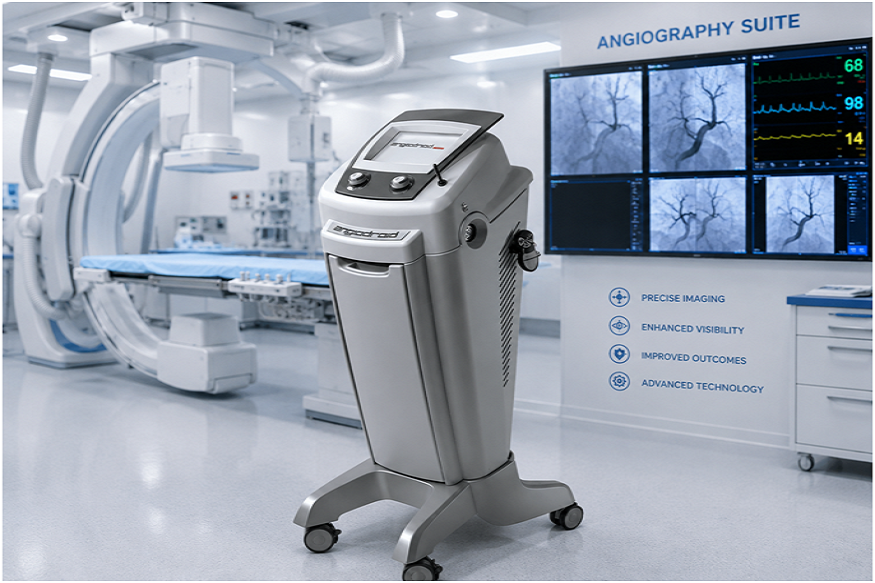
How an Angiography Equipment Supplier Helps Cath Labs Prepare for Changing Procedure Volumes

Key points:
- Review cath lab demand before buying new equipment.
- Match equipment with procedure needs and future growth.
- Improve workflow before adding another system.
- Reduce downtime with proper maintenance support.
- Plan for changing and complex procedure types.
- Schedule installation to avoid clinical disruption.
- Use data for better equipment decisions.
Cath labs rarely move along at exactly the same pace year over year. More patients may be referred, new doctors may come to the hospital, cardiovascular programs may increase, and some types of procedures may become more prevalent. At other times, demand may be temporarily slowed because of staffing changes, scheduling constraints, equipment maintenance, or changes in the patient population. Such changes make capacity planning an important element of cath lab management.
Equipment choices play a major role in how well a cath lab can respond to changing procedure volumes. One should be able to manage predictable workflows without buying equipment that will then be underused for long periods. Maintenance, room availability, imaging needs, staff efficiency and plans for future growth must also be taken into account.
Working with an experienced angiography device supplier can help with this planning process, assisting healthcare organisations to assess current needs, understand equipment options, prepare for future demand and minimise operational disruption as procedure volumes fluctuate.
How to Know Capacity Utilisation Before You Grow
Before a cath lab buys new equipment or upgrades an existing system, the first step is to understand how demand is truly changing. Short-term increases in case volume do not always justify a major capital purchase. In contrast, if the number of procedures is going up steadily for several months, it may mean that the existing capacity will eventually become hard to manage.
For example, a cath lab may have enough equipment (in theory) to handle its current caseload, but frequent scheduling conflicts may indicate that capacity is already becoming tight. A different facility might have busy periods from time to time, but enough unused room time to accommodate future growth.
Aligning Equipment Capacity with Clinical Demand
Angiography systems are a significant investment and healthcare organisations need to look at current use and expected future requirements. Your goal is not necessarily to buy the biggest or most complex configuration you can find. The better approach is to find a system that matches the types of procedures performed, the space available, the expected utilisation, the clinical objectives and the financial plan.
Cath labs vary widely in the range of cardiovascular procedures they perform and may need different equipment than a lab that handles primarily diagnostic cases. High-volume centres may place higher value on throughput, system reliability, image quality, workflow integration, and service response.
Planning should also take into account possible changes in the complexity of cases. If a facility is planning to move from mainly diagnostic procedures to more interventional work, its future equipment needs may be different from its current needs. Discussing them early can avoid situations where new equipment is installed and becomes obsolete ahead of schedule.
If a healthcare organisation has multiple cath labs, the same principle applies. The department as a whole should be reviewed for capacity and not individual rooms. In some cases, better use of existing rooms could delay the need for a major expansion.
Minimising Equipment Downtime Impact
The number of systems in place does not determine procedure capacity. Reliability is also very important. When an angiography system is not available, a cath lab with high utilisation may encounter significant scheduling problems. Even a relatively short downtime can result in cancelled procedures, longer waiting lists, increased pressure on another cath lab or changes to staff schedules.
Therefore, volume planning and preventive maintenance have to be considered jointly. Facilities should be aware of recommended maintenance intervals, anticipated service needs, system age, parts availability and technical support options. Older equipment may still perform well, but as systems age, the risk of maintenance becomes a more significant consideration.
Cath labs can also have contingency plans for equipment problems that may occur unexpectedly. This may involve moving cases to another room, changing appointment schedules, prioritising urgent procedures, or liaising with another facility, depending on the organisation. High-volume departments may find reliable technical support especially crucial, as the operational cost of downtime could far outweigh the cost of the repair itself.
Improving Medical Equipment Workflows
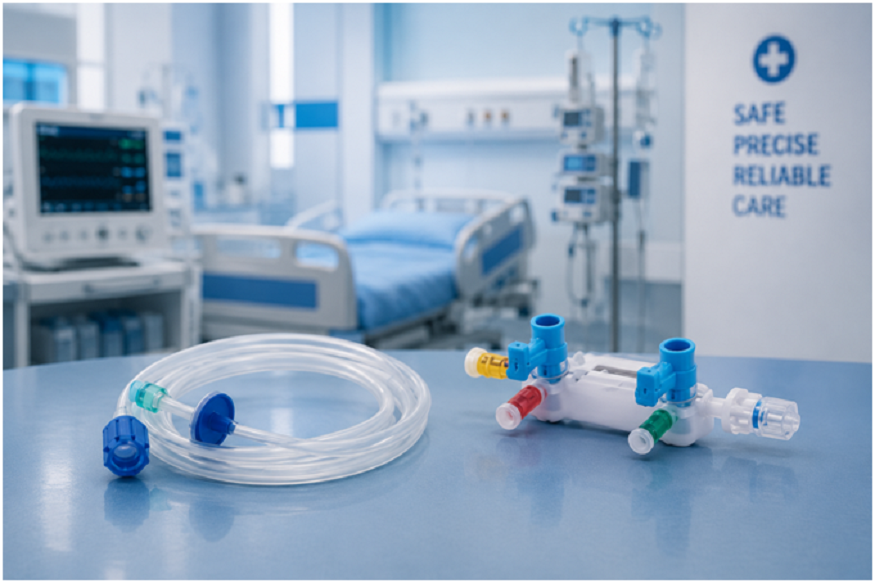
An increase in procedures does not automatically mean a facility needs another angiography system. Sometimes workflow improvements can allow existing infrastructure to accommodate more cases. Minor inefficiencies between procedures can add up when multiplied many times a day.
Hospitals could thus consider factors such as patient preparation, room turnover, equipment placement, image management, staff movement, availability of supplies, documentation, cleaning processes and interdepartmental communication. Proper planning for medical equipment and supplies can also help ensure essential items are available when procedure volumes increase, reducing avoidable interruptions during busy periods. Equipment choice can influence some of these areas.
Systems that are efficient in positioning and clinical workflow may assist staff in preparing the room more effectively. Manual steps can be reduced through integration with other hospital technologies. But technology alone does not make a cath lab efficient.
Facilities need to think about how equipment fits into their real clinical environment. A room that works well in one hospital may not necessarily work the same way in another, because of different room dimensions, different staffing structures, different clinical protocols and procedure mixes.
Therefore, it is necessary to include workflow evaluation in the equipment planning process rather than to conduct it only after installation.
Getting Ready for Changes in Procedure Types
Demand for the cath lab can change in more than one way. There could be an increase in total procedures at facilities but also a change in the types of cases being performed. More complex interventions can influence room occupancy, imaging requirements, staff availability, and procedure duration.
For example, if two cath labs have the same number of cases per month, the capacity requirements can be very different if one does significantly longer or more complex procedures.
So planning has to consider not just the number of procedures, but the mix of procedures.
Coordination of Installation with Clinical Activities
Installation or replacement of angiography equipment can impact ongoing operations, especially in hospitals that have cath labs that are heavily booked. Room preparation, coordination, removal of existing equipment, installation of the system, testing, technical checks and staff orientation.
Therefore, the project has to be planned around clinical demand wherever possible.
Hospitals can schedule elective cases at times when they are less likely to be scheduled or can temporarily move cases to other rooms. Good communication between clinical staff, engineering teams, administrators, contractors and equipment providers can help reduce avoidable disruption. Start preparing well in advance of the equipment arriving.
Room dimensions, electrical requirements, structural considerations, connectivity, cooling requirements, access routes and other infrastructure details may have to be reviewed. Once the installation work is underway, there can be problems which cause unnecessary delays. Good planning won’t prevent all disruptions, but it can make the transition much easier to handle.
Using Data to Make Better Long-Term Decisions
Planning cath lab equipment should be viewed as an ongoing process, not an occasional purchasing exercise. Data on procedures can help healthcare organisations to understand if past forecasts were correct and whether patterns of utilisation are changing. Useful metrics may include cases per room, procedure duration, turnaround time, cancellations, equipment downtime, and overtime, patient waiting periods and utilisation by procedure category.
Planning for Flexibility in Future Cath Labs
To run a modern cath lab, you have to change procedure volumes. While facilities can’t anticipate every shift in patient demand, they can develop equipment strategies that allow them to respond.
Good planning links clinical needs with utilisation data, life cycle management of equipment, maintenance, workflow design, infrastructure, and realistic growth expectations.
Hospitals should routinely audit whether their angiography systems are coping effectively with current workloads and whether they will continue to be appropriate as services evolve.
The best supplier relationship is more than just ordering equipment. It will facilitate decision makers’ understanding of the options they have, assess the suitability of the system, coordinate implementation and prepare for future changes, without promoting unnecessary investment.
Nexamedic supports healthcare organisations with dependable angiography solutions and other medical equipment and supplies suited to evolving clinical requirements. With the right guidance, facilities can review their needs, plan future capacity, and choose equipment that supports efficient procedures, reliable performance, and long-term operational goals.
Frequently Asked Questions
Question: How often should cath labs assess angiography equipment capacity?
Answer: Capacity should be monitored regularly, especially when there are changes to procedure numbers, referral patterns, staffing levels, service offerings or equipment reliability. Many facilities find it useful to review utilisation data throughout the year, rather than wait for existing capacity to become a serious operational problem.
Question: Does a higher procedure volume always indicate the presence of another angiography system?
Answer: No. A cath lab may be able to increase the number of procedures scheduled through workflow improvements, better scheduling, longer operating periods, less downtime or equipment upgrades. The need for another system should be based on utilisation, clinical needs, room availability, staffing, and expected long-term need.
Question: Why is equipment downtime important in planning for cath lab capacity?
Answer: A system that is frequently unavailable decreases the available capacity of the department. In busy cath labs, downtime can result in delayed procedures, longer wait times, scheduling pressure and increased use of other rooms. Therefore, Maintenance history and technical support should be considered in Capacity planning.
Question: What should a cath lab know before buying angiography equipment?
Answer: Important considerations include current procedure volume, projected growth, procedure mix, room utilisation, age of equipment, maintenance history, imaging requirements, available space, staffing, infrastructure, workflow needs, clinical objectives and expected service life of the new system.
Question: How to prepare cath labs for unexpected spikes in procedure demand?
Answer: Facilities can use multiple demand forecasts, monitor utilisation regularly, maintain equipment, set capacity thresholds, examine room workflows, and create contingency plans. Flexibility in equipment and operational planning allows the organisation to respond when procedure volumes exceed expectations.