Who Can Benefit from Residential Programs for Adult Children Mental Health

When a child experiences ongoing emotional or behavioral challenges that begin to affect every part of daily life, parents often find themselves searching for solutions that provide more than occasional counseling or weekly therapy sessions. While outpatient treatment can be effective for many teens, there are situations where a higher level of care becomes essential. In these circumstances, residential programs for adult children mental health can prove to be pretty advantageous. They offer a structured, supportive environment where adolescents receive around-the-clock care from trained professionals. Rather than simply addressing symptoms, residential treatment focuses on helping young people achieve lasting emotional healing.
Use of residential programs for adult children mental health
Choosing residential programs for adult children mental health is never an easy decision for families. Many parents worry that sending their child away means they have failed, but in reality, it is often one of the most compassionate and proactive choices they can make. Residential treatment is designed for children whose mental health needs have become too complex to be effectively managed through outpatient therapy alone. By removing everyday stressors and providing consistent therapeutic support, these programs create an environment where meaningful recovery can begin.
Read More: The Advantages of Non-Surgical Facial Rejuvenation with Botox Cosmetic
Teens may enter residential treatment for a variety of reasons. Some struggle with severe emotional disorders that make it difficult to function in school or maintain healthy relationships. Others may have experienced trauma, bullying, family conflict, or significant life changes that have overwhelmed their ability to cope. In many cases, parents notice increasing emotional instability, declining academic performance, social withdrawal, or behavioral problems that continue despite ongoing therapy and support at home.
Among the most common conditions treated in residential programs are severe depression and anxiety disorders. While occasional sadness or worry is a normal part of childhood, clinical depression and anxiety are much more intense and persistent. A child living with depression may experience overwhelming feelings of hopelessness, lose interest in hobbies they once enjoyed, withdraw from friends and family, struggle with concentration, and experience significant changes in appetite or sleep. Fatigue, irritability, low motivation, and poor academic performance are also common symptoms. Similarly, severe anxiety can interfere with daily functioning by causing excessive fear, panic attacks, avoidance behaviors, physical discomfort, and constant worry that affects school attendance, relationships, and overall quality of life. Residential treatment provides intensive therapeutic interventions that address both the emotional and physical aspects of these conditions.
Read More: Understanding Behavior Health / Addiction and the Path to Long-Term Recovery
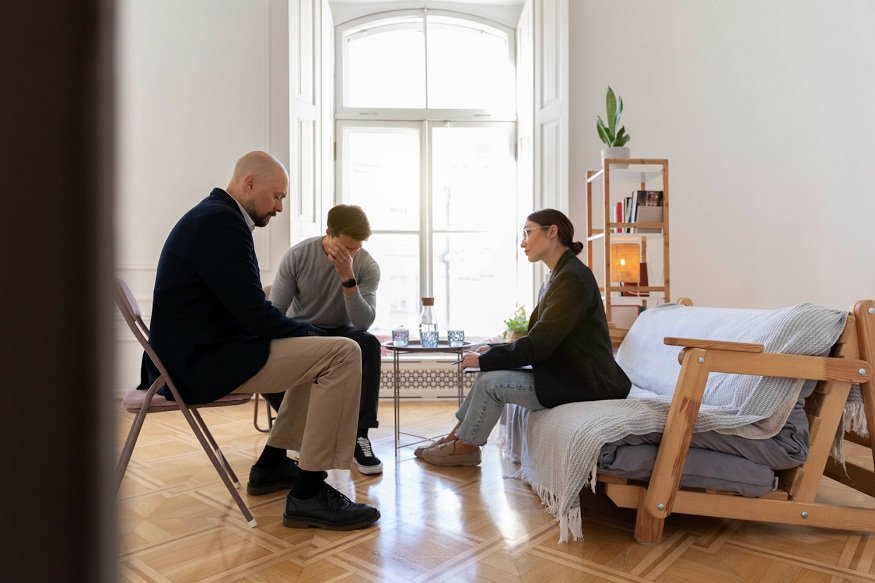
A residential mental health treatment center provides twenty-four-hour supervision in a safe and secure setting. Every aspect of a teen’s daily routine is intentionally structured to promote emotional wellness. Instead of facing the distractions and pressures of school, social conflicts, or family tension, teens can participate in a balanced schedule that includes individual counseling, group therapy, family therapy, and more. This comprehensive approach helps them better understand their mental health condition while learning practical strategies to manage emotions, behaviors, and challenges in healthier ways.
Residential treatment provides the opportunity for deeper healing to young adults. Emotional recovery often requires time, consistency, and a stable environment, something that can be difficult to achieve when a child continues to face the same daily triggers at home or school. Residential care allows children to step away from these stressors and fully focus on their recovery.